In 2022, we institutionalized our sustainability efforts through an ESG strategy. It defines our focus areas, milestones, and a detailed action plan. We conducted an ESG audit and energy study, improving our carbon footprint since 2019. These activities help SKW achieve its ESG goals over the next five years and beyond.
Menu


Caring means changing
Our ESG Plan is deeply rooted in all aspects of SKB Group.
scroll down to learn more
ESG Plan
At SKB Group, we have established clear and measurable ESG goals to guide our sustainability efforts and track our progress. These goals reflect our commitment to environmental stewardship, social responsibility, and robust governance.
Our goals
Embracing an ESG-centric approach - we prioritize sustainability, reduce emissions, foster diversity for an exceptional workplace, and strengthen governance for top corporate responsibility standards.
01
Environmental (E)
Commited to environmental protection, sustainability and green energy across the entire value chain.
02
Social (S)
Dedicated to fostering a diverse, inclusive and safe culture, we aim to make an outstanding workplace for all.
03
Governance (G)
Iteratively strenghtening processes and documentation, ensuring governance aligns with the highest standards.
Our Bees
In September 2024, five bee colonies moved to Schwechater Kabelwerke. Bees not only produce honey, but also make a significant contribution to biodiversity by pollinating the environment with their pollen.
On the right you can see the current data from two of our five beehives equipped with a BeeAndMe monitor. From now on, "Kupfer Karl and Alu Anna" will be in good company. The "Pollen Palace" is also home to many bees and reinforcements for SKW honey production.
1
2
3
4
What We Did so Far?
Explore our ESG documents, available for download. Discover our sustainability initiatives and commitment to a greener future in this informative resource.
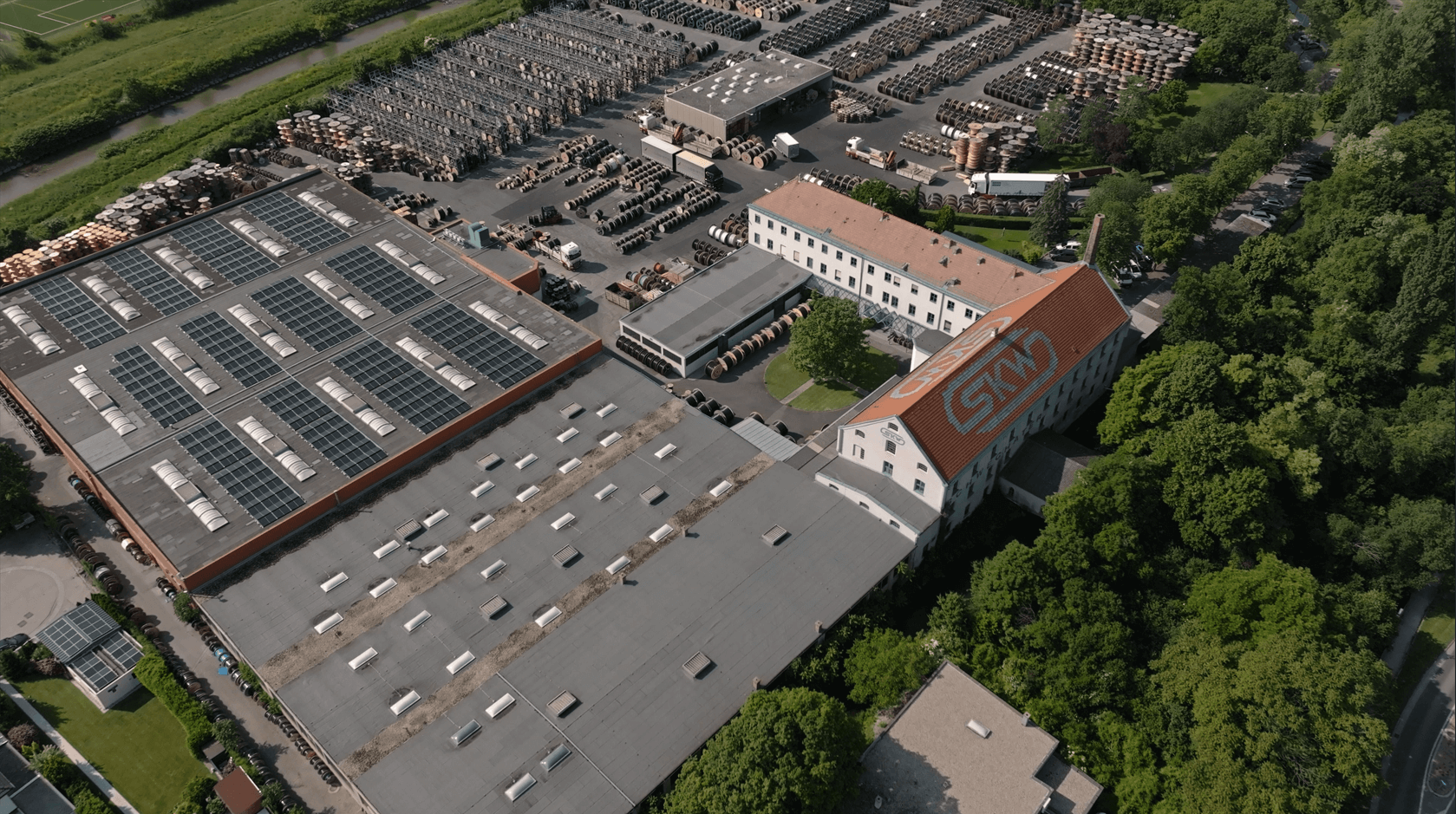 Our significant strides in renewable energy were marked in 2023 with the launch of our 309 kWp photovoltaic power station. This facility proudly meets 75% of our energy requirements, showcasing our commitment to sustainable energy solutions.
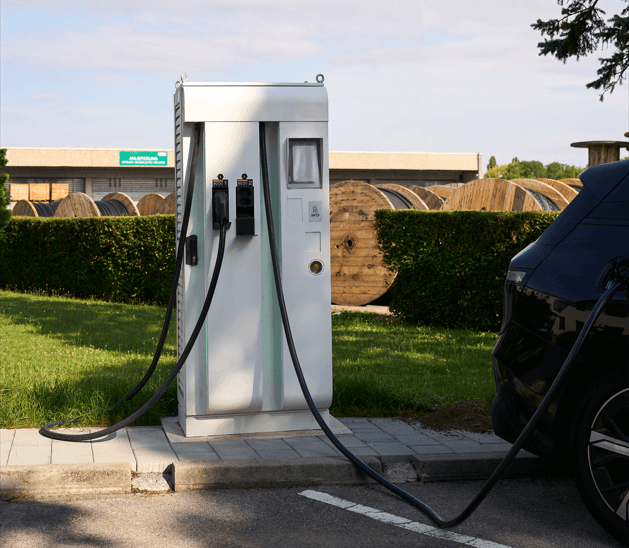 We're dedicated to a sustainable future, evident in our ongoing transformation of our vehicle fleet to electric models. This transformation extends to our forklifts as well, where we are progressively shifting from traditional to eco-efficient electric variants, thus reinforcing our commitment to environmental sustainability.
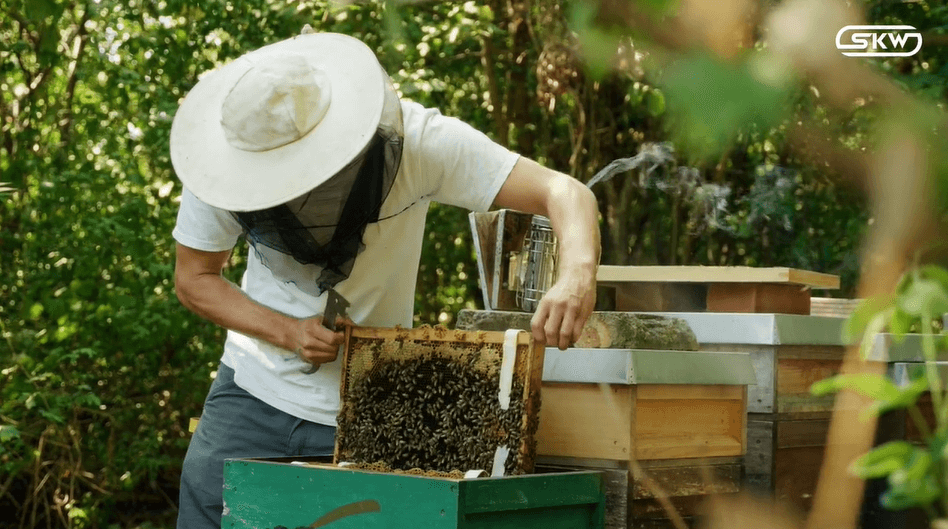 Our newly initiated Biodiversity Project aims at enriching the biodiversity around our factory premises through habitat enhancement and elimination of invasive plants.
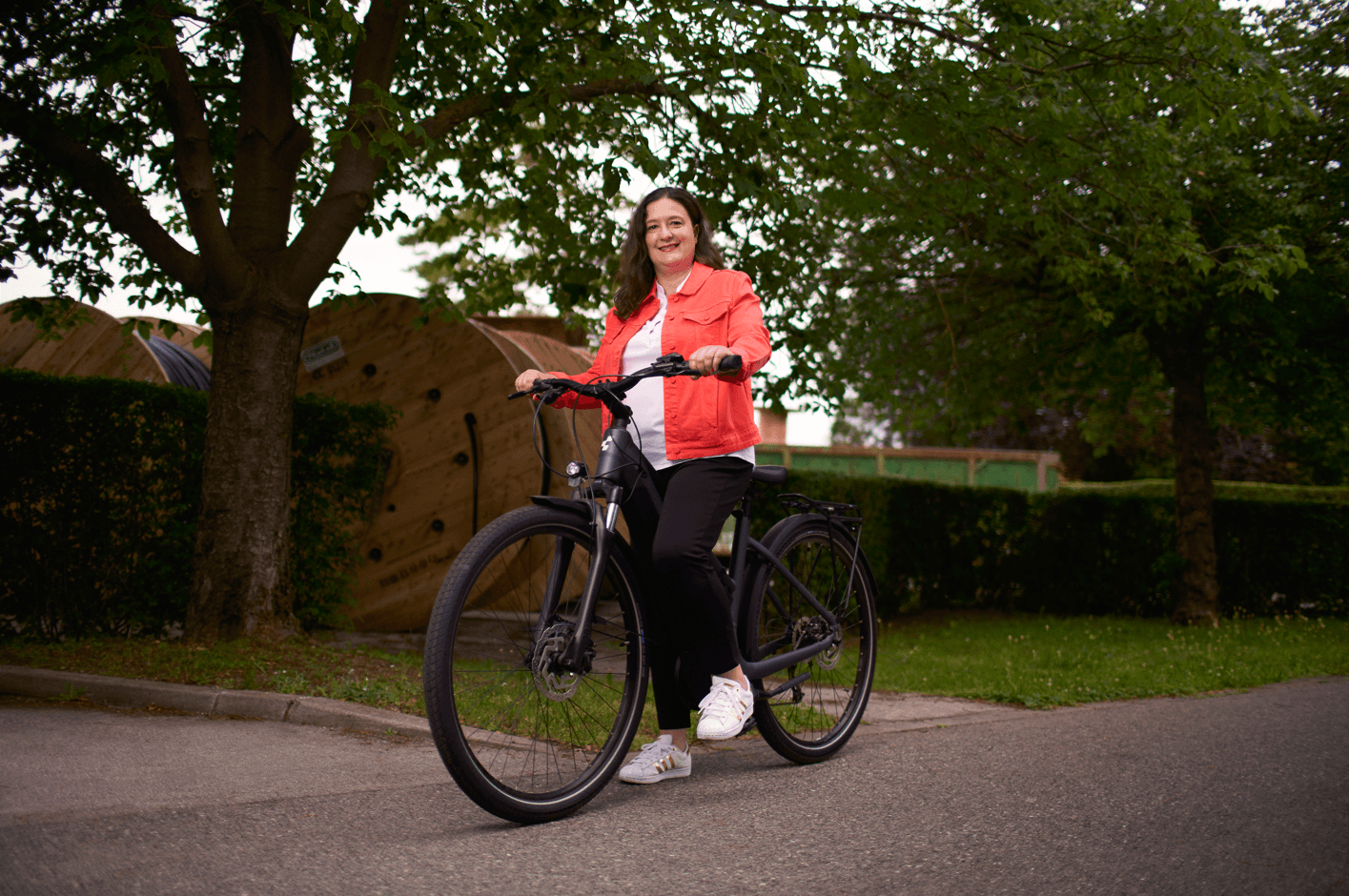 To reduce our carbon footprint, we actively support and encourage cycling to work. We provide favorable conditions for cyclists and engage in various motivational programs and competitions to promote this eco-friendly mode of transportation.
Explore now our eco-friendly cables, expertly supplied with over 130 years of excellence.
Our Code of Conduct and its associated regulations are not seeking to „invent“ new approaches. Instead, they aim to clearly demonstrate the obligations we must fulfill nowadays.
Let's work
together
SKW Schwechater Kabelwerke GmbH
Himberger Straße 50, 2320 Schwechat
All rights reserved. Copyright © 2026